Haulin’ Pride: The TMC Transportation Story – From One Truck to Employee-Owned Empire

Hey there, road warriors and gear jammers of the virtual trucking community! Buckle up, because today we’re taking a ride through the incredible story of TMC Transportation, a flatbed titan that went from a single-truck dream in Iowa to a $500-million-plus, employee-owned powerhouse. This ain’t just another trucking tale—it’s a saga of grit, chrome, and a founder who rewrote the rules by handing his empire to the folks who keep the wheels turnin’. Let’s hit the highway and dive into how TMC became a legend in the trucking world.
The Birth of a Flatbed Dream (1972)
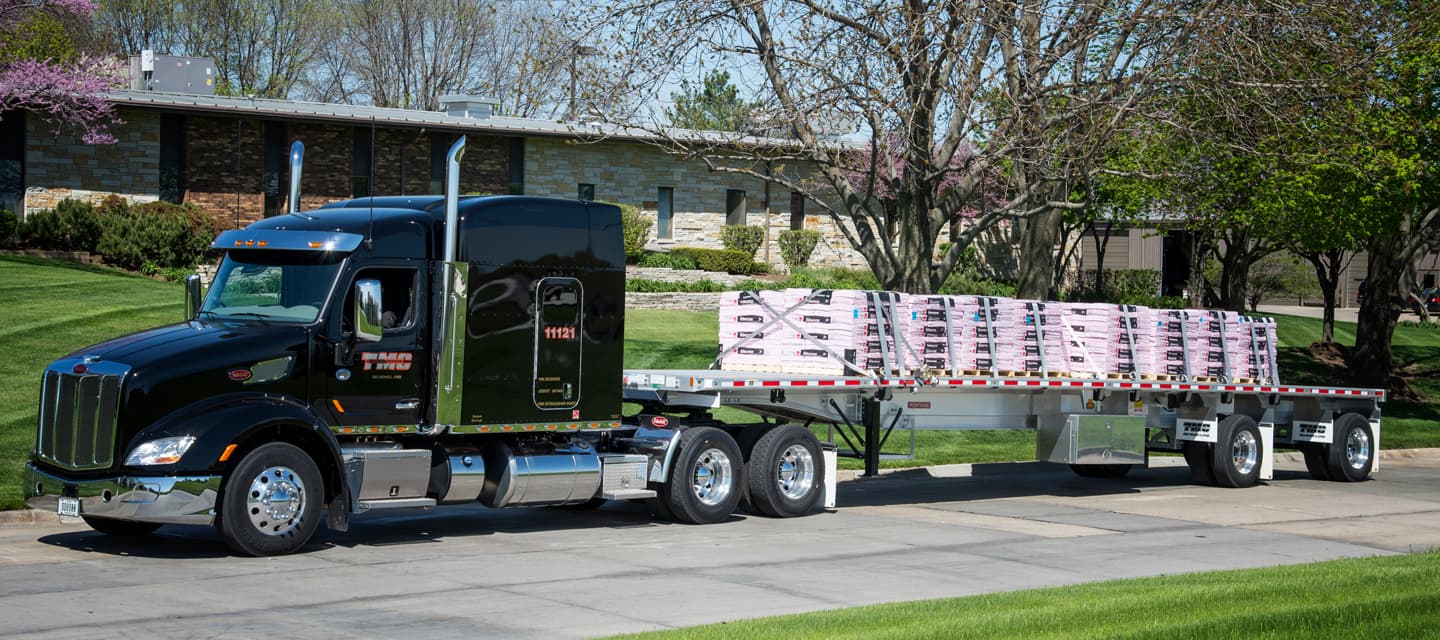
Picture this: it’s 1972, and Harrold W. Annett (yep, two “r”s in his name) is a young hustler in Des Moines, Iowa, fed up with the rough-and-tumble reputation of flatbed trucking. He’d been working at a small freight company, but the call of the open road was too loud to ignore. So, Harrold took a leap, buying a dormant outfit called The Mickow Corporation with six trucks and a two-person office crew. On March 6, 1972, TMC hauled its first load from Chicago to Des Moines, with one rule etched in chrome: do it better than anyone else.
Harrold wasn’t just about moving freight—he was obsessed with class. Flatbed trucking back then was seen as gritty, but he envisioned something sharper. Think sleek, jet-black Peterbilt rigs, polished to a mirror shine, with drivers rocking crisp black uniforms like knights of the highway. That attention to detail turned heads. Customers noticed, and TMC’s reputation for precision and pride started spreading faster than a tailwind on I-80.
Building a Flatbed Empire
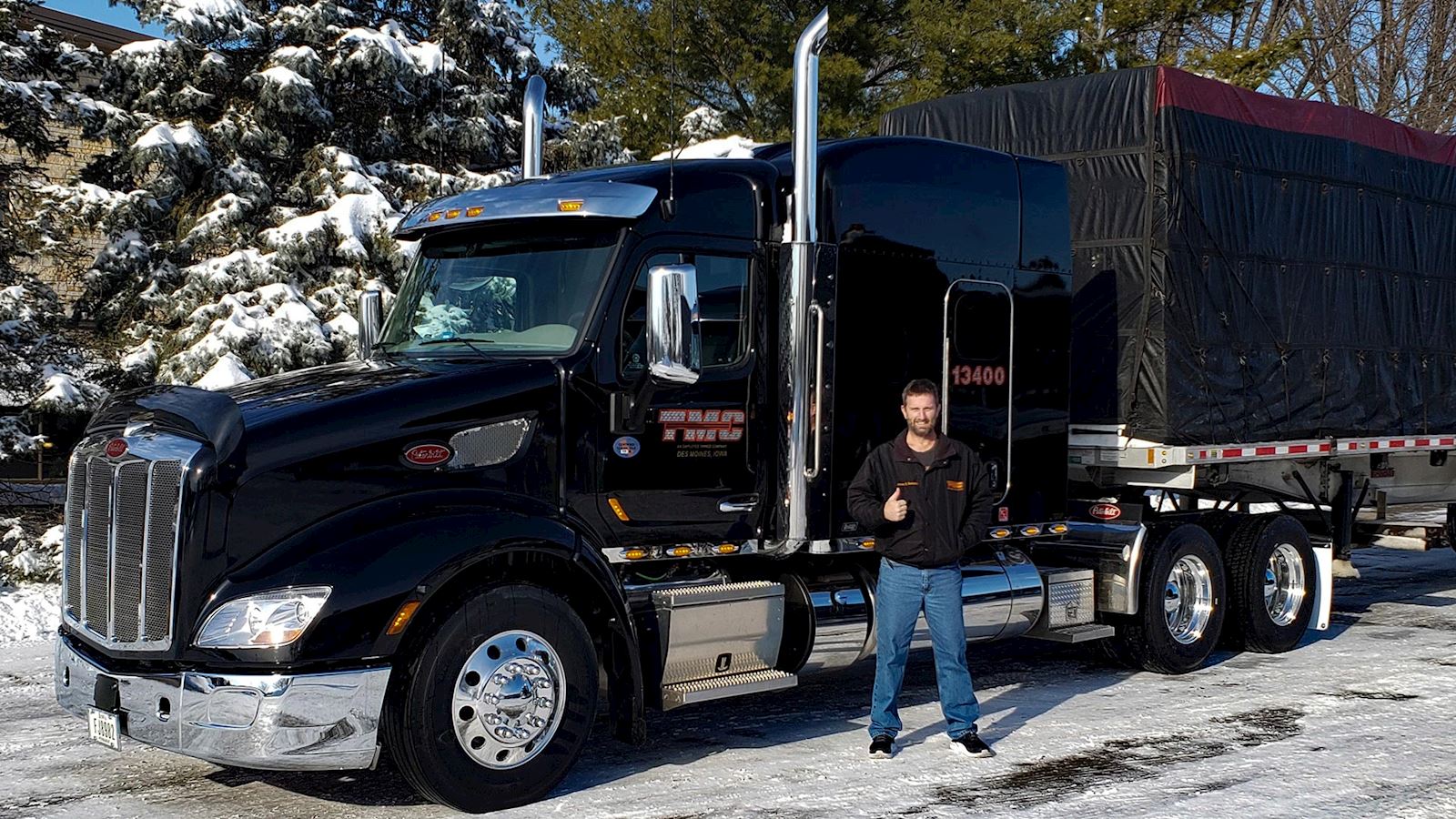
By the 1980s, TMC was tearing up the Midwest, hauling everything from steel to machinery with a growing fleet. Harrold’s focus on modern equipment—always the newest, cleanest trucks—set TMC apart in an industry where rusty rigs were common. By the 1990s, they were one of America’s fastest-growing flatbed carriers, and by the 2000s, TMC was a national name, boasting thousands of employees and a fleet that screamed professionalism.
What fueled this growth? The people behind the wheel and under the hood. Harrold knew drivers, mechanics, and dispatchers were the heart of TMC. He invested in them with top-notch training and a culture that made every employee feel like they were part of something bigger. Based on a 50-acre campus in Des Moines, TMC became a beacon of what trucking could be—reliable, respected, and downright slick.
The Game-Changer: Going 100% Employee-Owned (2013)
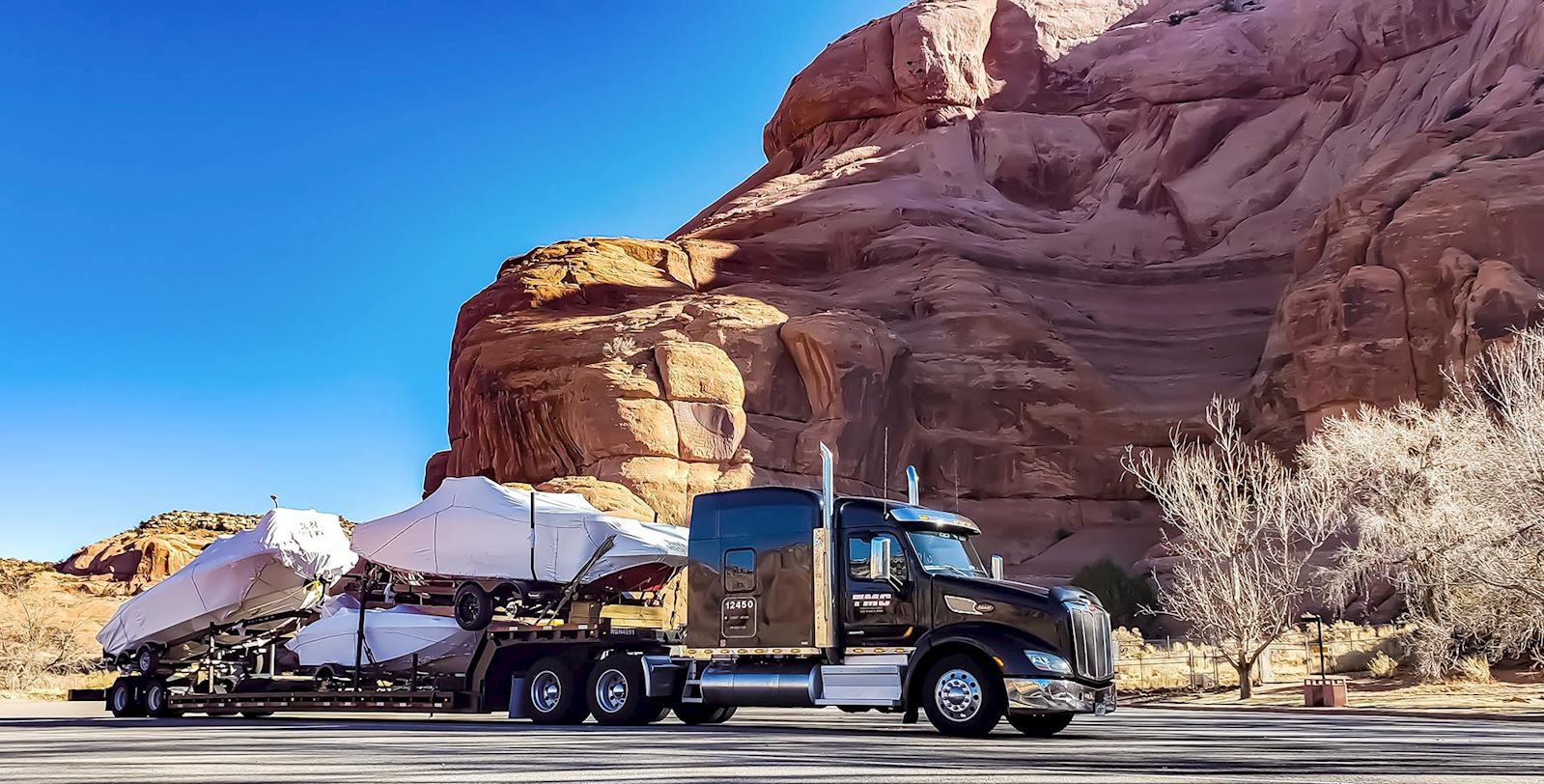
Now, here’s where the story gets juicy. In 2013, when most CEOs would’ve cashed out and retired to a beach somewhere, Harrold Annett did the unthinkable. He looked at his empire—thousands of trucks, millions in revenue, a name synonymous with flatbed excellence—and said, “This belongs to the people who built it.” On October 9, 2013, TMC announced it was transitioning to a 100% Employee Stock Ownership Plan (ESOP), making every eligible driver, mechanic, and office worker a shareholder. Overnight, the folks tarping loads and wrenching rigs became co-owners of a trucking juggernaut.
This wasn’t just a feel-good move—it was a masterstroke. Harrold’s vision was to preserve TMC’s culture of pride and excellence, ensuring it wouldn’t be gobbled up by some faceless corporation. The ESOP gave shares to employees at no cost, vesting over six years (20% after two years, 100% by year six). When Harrold passed away in 2021, the transition to full employee ownership was complete, cementing his legacy as a founder who bet on his team.
The Payoff: Big Wins for TMC and Its People
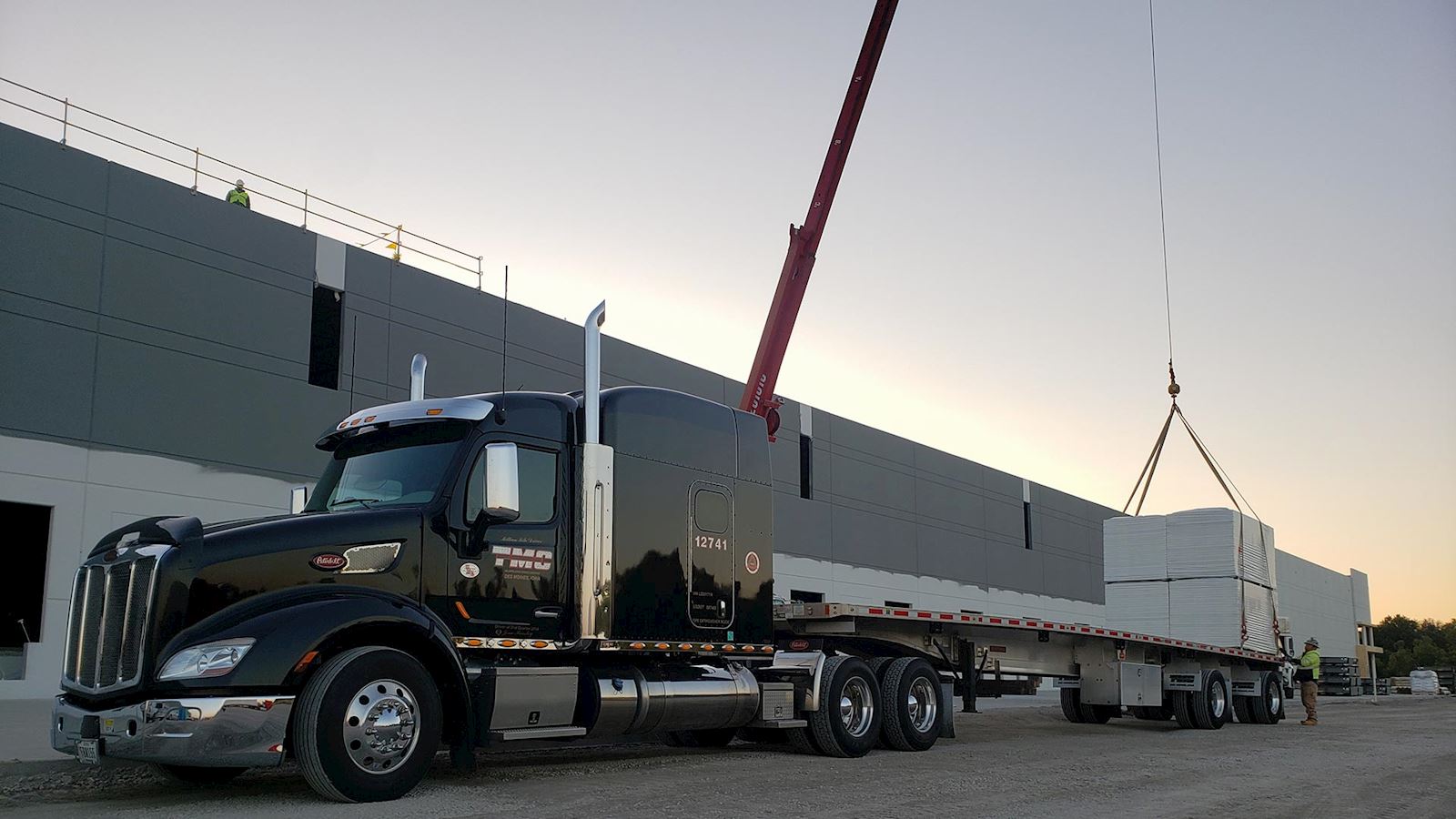
So, what’s the score for TMC today? The numbers tell a helluva story. As of 2025, TMC operates 2,417 trucks, hauls freight coast-to-coast with a 99.98% claim-free delivery rate, and generates around $460–500 million in revenue (some estimates hit as high as $677 million in peak years). It’s North America’s largest privately held flatbed carrier, still headquartered in Des Moines, with a fleet so young and clean it could star in a truck show.
For employees, the ESOP is a game-changer. Imagine this: you’re a driver logging 100,000 miles a year, earning $75,000–$100,000 in base pay. On top of that, you’re racking up ESOP shares worth about 5.5¢ per mile—that’s an extra $5,500 a year toward retirement. By 2020, drivers who started in 2013 had $84,998 on average in their ESOP accounts, with long-timers banking $100,000+ upon vesting or retirement. One five-year veteran reported a $92,000 salary plus ESOP growth, calling it the “best perk” in trucking. Add in 401(k) matching and solid health benefits, and TMC’s drivers are building wealth most truckers only dream of.
The ESOP also fuels TMC’s edge. Employee-owners stick around longer (five years on average vs. the industry’s two-to-three), slashing turnover costs. That loyalty translates to better service, which keeps customers coming back. It’s a virtuous cycle: happy drivers, happy clients, growing company, fatter ESOP accounts.
Why This Matters to the Virtual Trucking Community
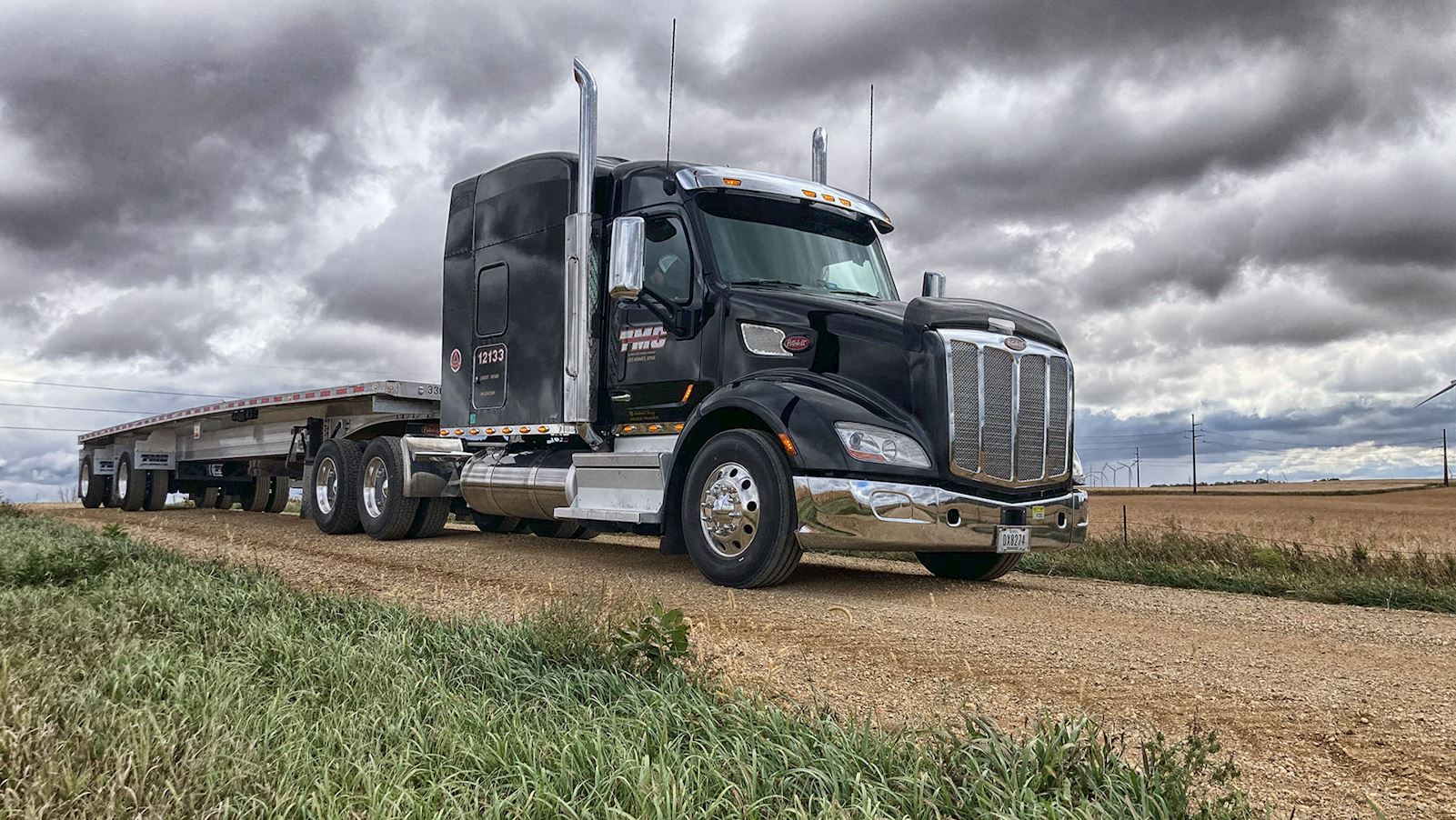
For you virtual truckers out there, cruising the digital highways in games like American Truck Simulator, TMC’s story is pure inspiration. Next time you’re hauling a virtual flatbed load, picture yourself in one of those gleaming black Peterbilts, part-owner of a company that’s rewriting the rules. TMC proves trucking isn’t just about the road—it’s about building something lasting, where every mile you log adds to your legacy.
Want to see TMC’s shine in action? Check out their site for a peek at their rigs or punch “TMC Transportation” into YouTube for driver vlogs showing off that polished chrome. And if you’re ever in Des Moines, swing by their campus—it’s like a cathedral for flatbed fans. Got thoughts on TMC or other employee-owned outfits? Drop a comment below, and let’s keep this convoy rollin’!


Comments
Post a Comment